Musée
Reimagining museum exploration for first time Met visitors and their families
group centered exploration aid and decision-making tool for first-time visitors
Project Overview
Major museum names like The Met, the MOMA or the Natural History Museum are must-see destinations when visiting. These colossal spaces are not just public educational resources, but facilitators of quality time between friends and family (84.5% being group visits).
Using the Metropolitan Museum as a jumping off point I explored ongoing challenges for museum visitors, culminating in a mobile design alternative to traditional way-finding and exploration with unique social features.
Roles
UX Research, UI Design
Timeline
Aug-Dec 2025
Tools
Figma, Canva
SOLUTION OVERVIEW
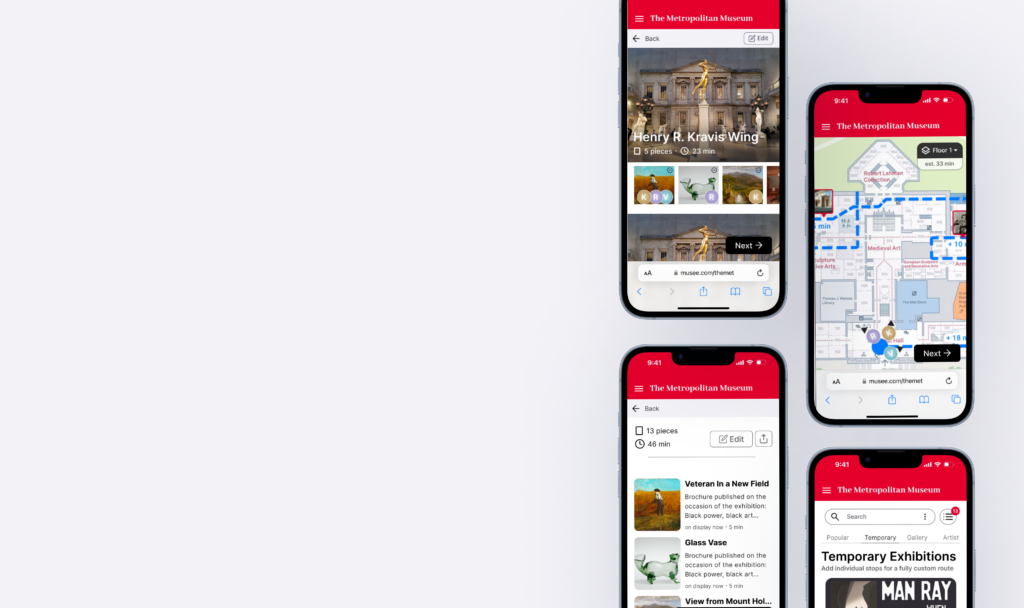
Musee is a web-app based trip planner and navigator designed to help users get the most out of a short visit. After finding fatigue and way-finding were the biggest obstacles to visitors and quality time was the biggest motivator for visitation my goal was to design a tool that aids in decision making and makes trips feel efficient, spontaneous and empowering.
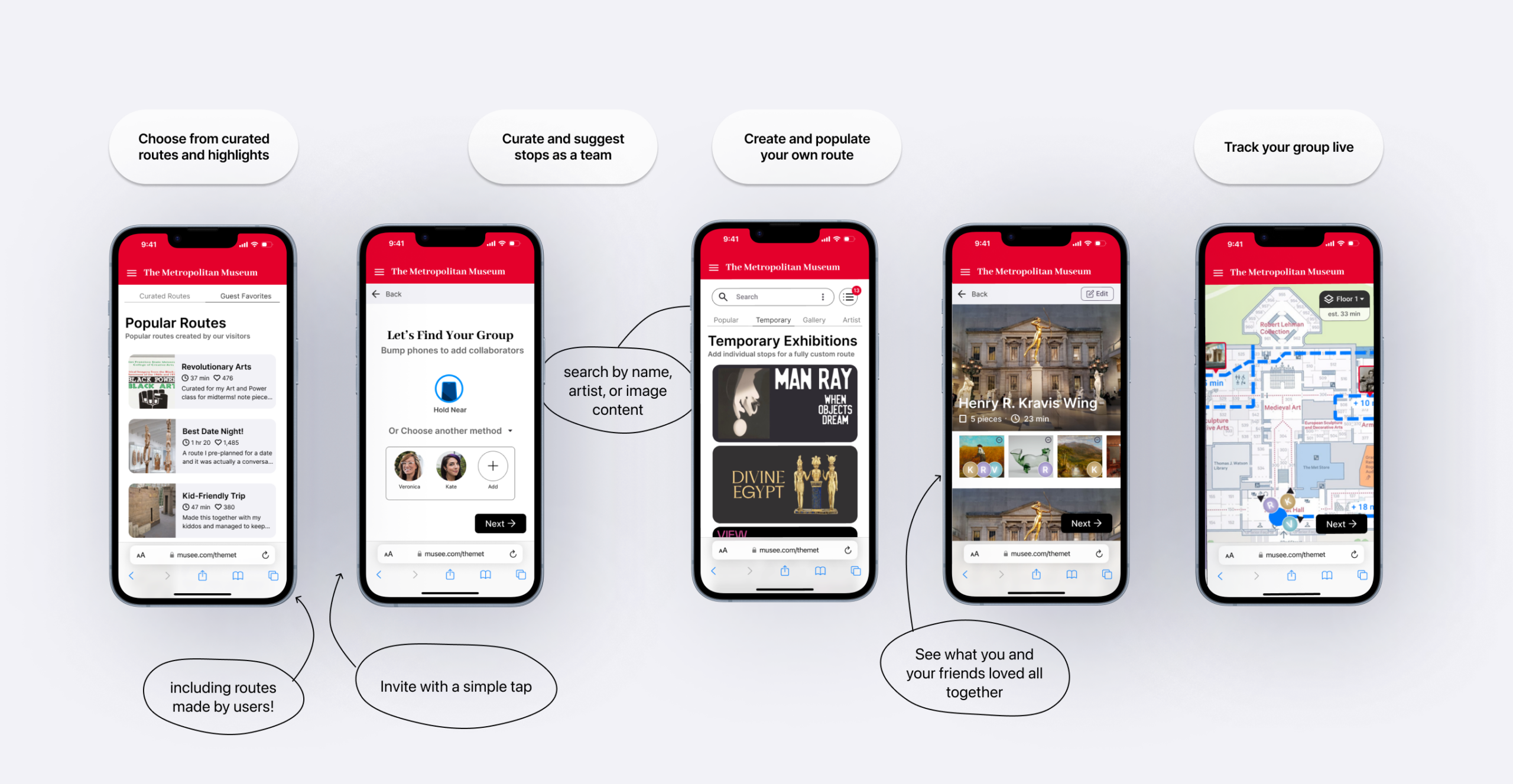
This app invites visitors to collaborate on custom tours through shared curation features and to explore routes made by professional historians and veteran visitors. Groups can always access the most efficient way from point A to B and see live progress on digital maps, making sure the nearest bathroom, bench and elevator is always within reach.
PROCESS BREAKDOWN
To answer my research question, I conducted qualitative interviews and recorded observational data during several visits to the Met. Quantitative data was analyzed alongside larger surveys, which refined initial direction. In Phase II I narrowed down solutions by sketching and evaluating with my interview participants.
Research
Employee and visitor interviews, Surveys, analyzing visitor engagement patterns
Sense-Making
Personas, User Journeys, Key Insights
Design
Competitive Analysis, Brainstorming, Concept Ideation, User Testing
Build
Iterating Design, Usability Testing, Evaluating Success
01 – Research
Process
The research process involved studying existing museum exhibit strategies, analyzing visitor engagement patterns, and exploring existing physical and digital media used to enrich the visitation experience .
During exploratory research I conducted 9 brief interview sessions with museum goers and staff, 4 interviews with my anticipated target audience, 2 observational sessions at the museum, as well as landscape research into existing precedents.
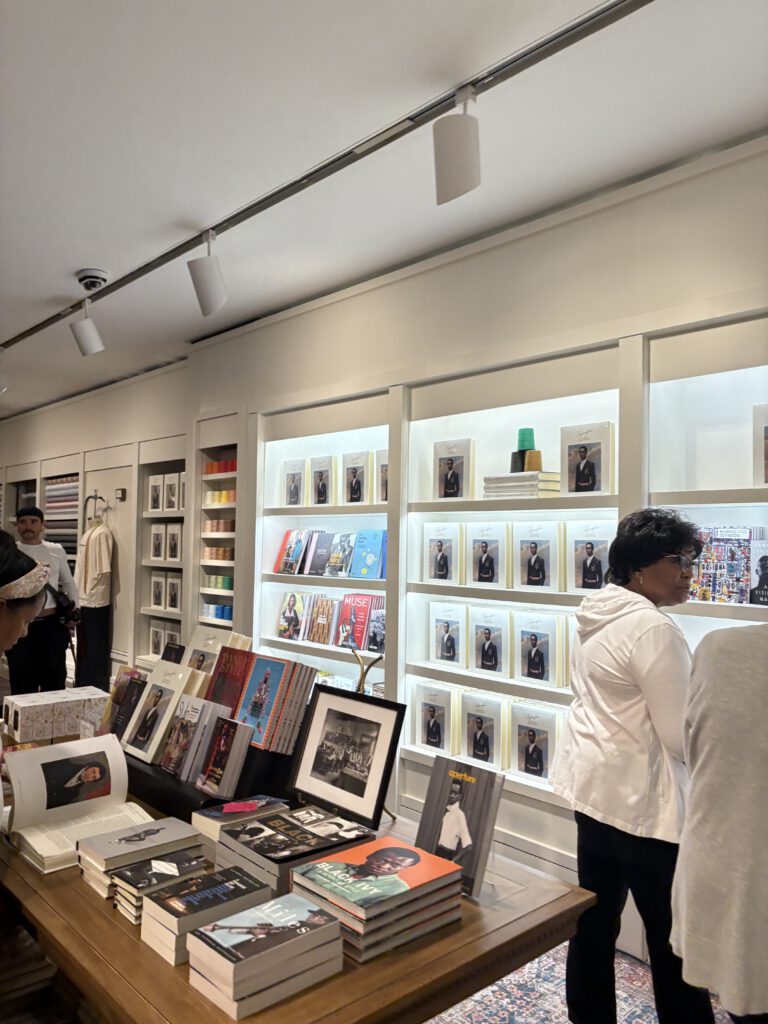
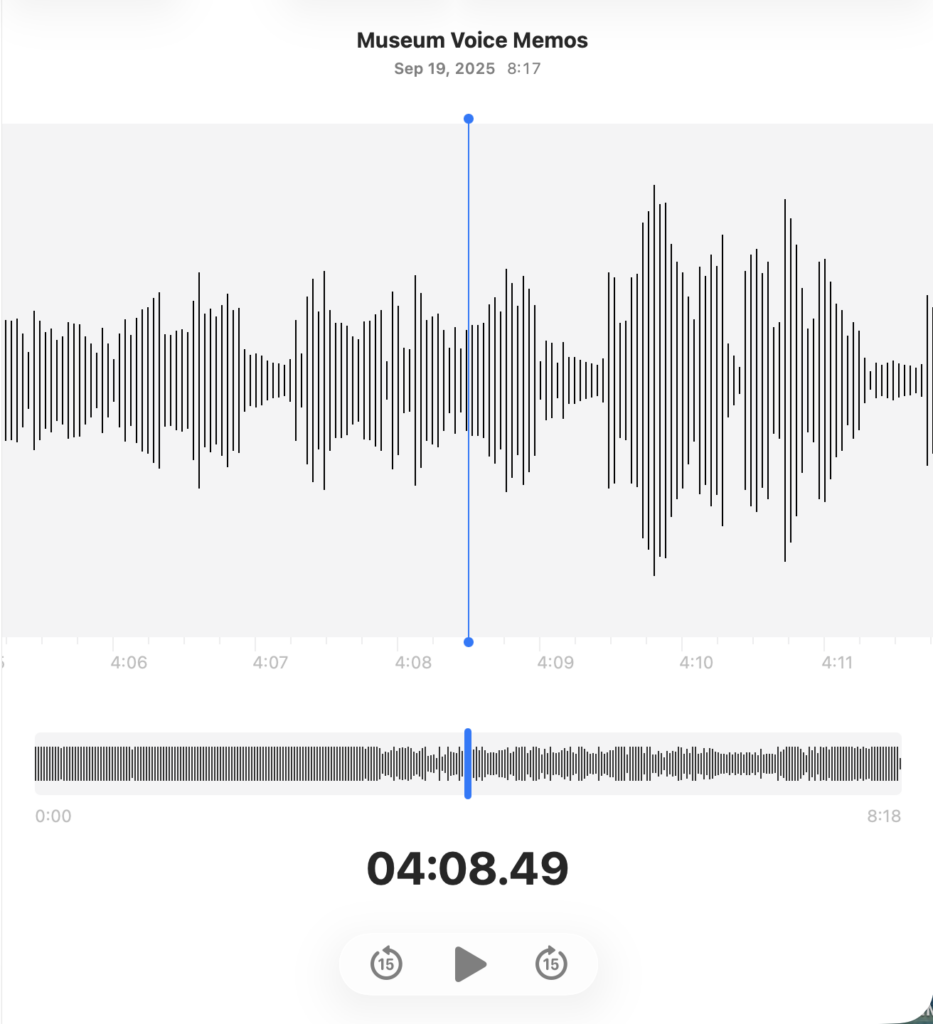
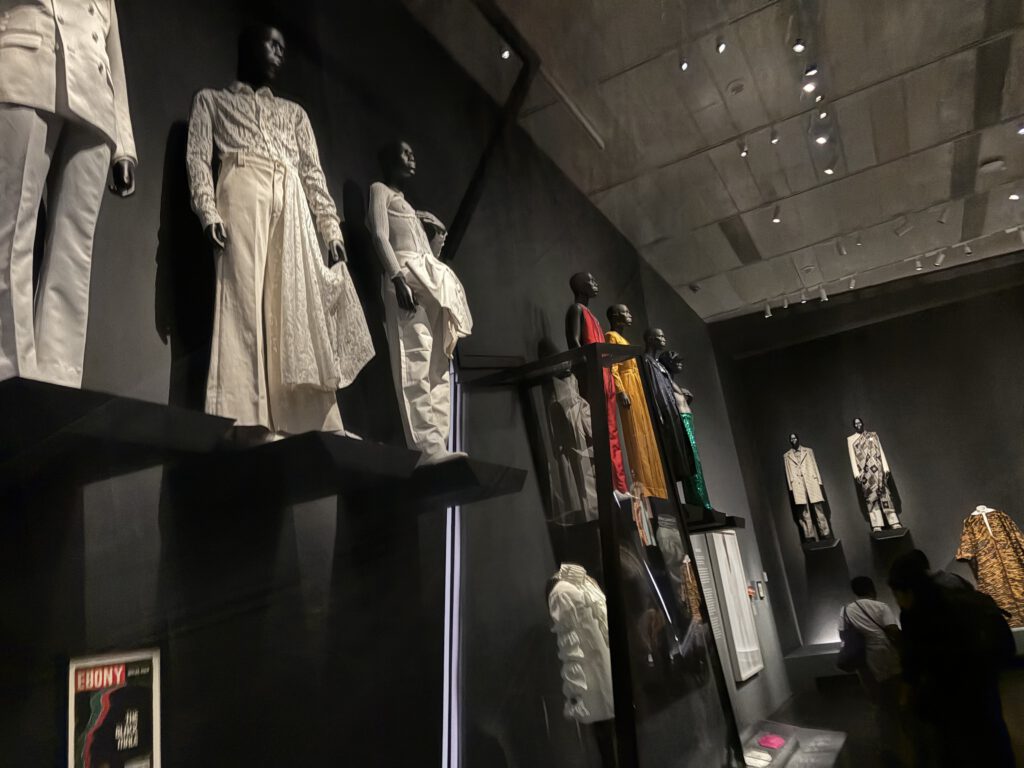
What I Saw
Observed in 6 interview sessions with museums goers including couples, young adults, and museum employees and two fly-on the wall sessions at the The Metropolitan Museum
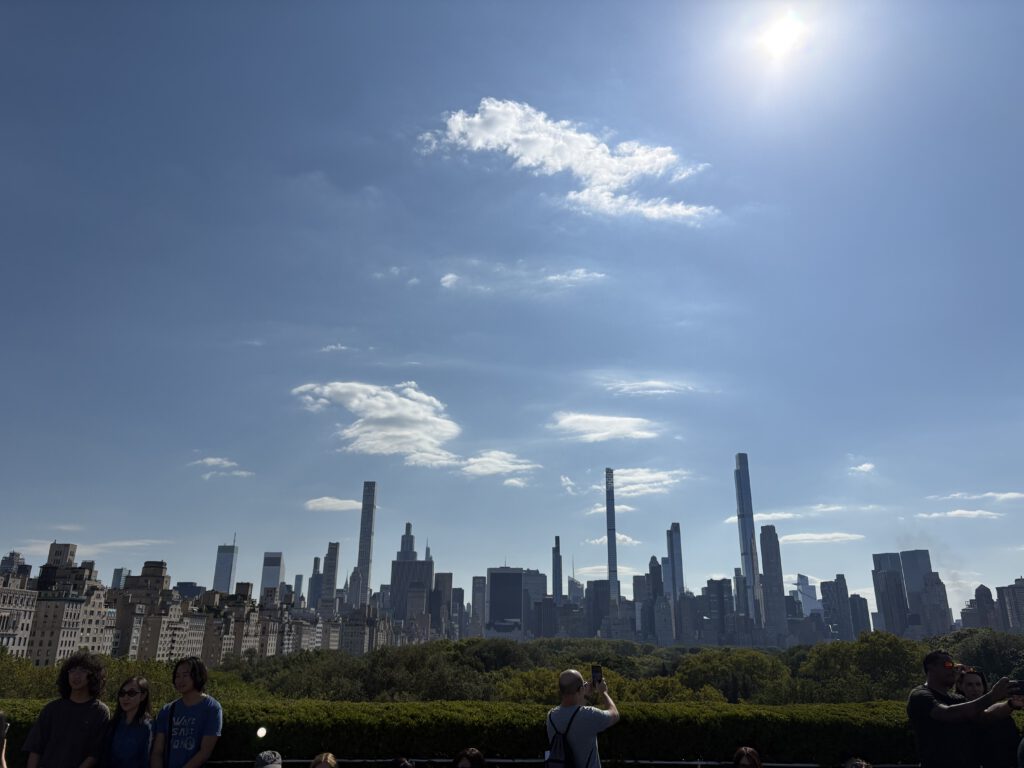
People most often visit for leisure, quality time or fun photo ops
Museums are a very social thing for me— on a date or in a group— a lot of it just comes down to wanting something to do.
A lot of history objects are pretty lame, I want to see something flashy that I’ve never seen before in my life.
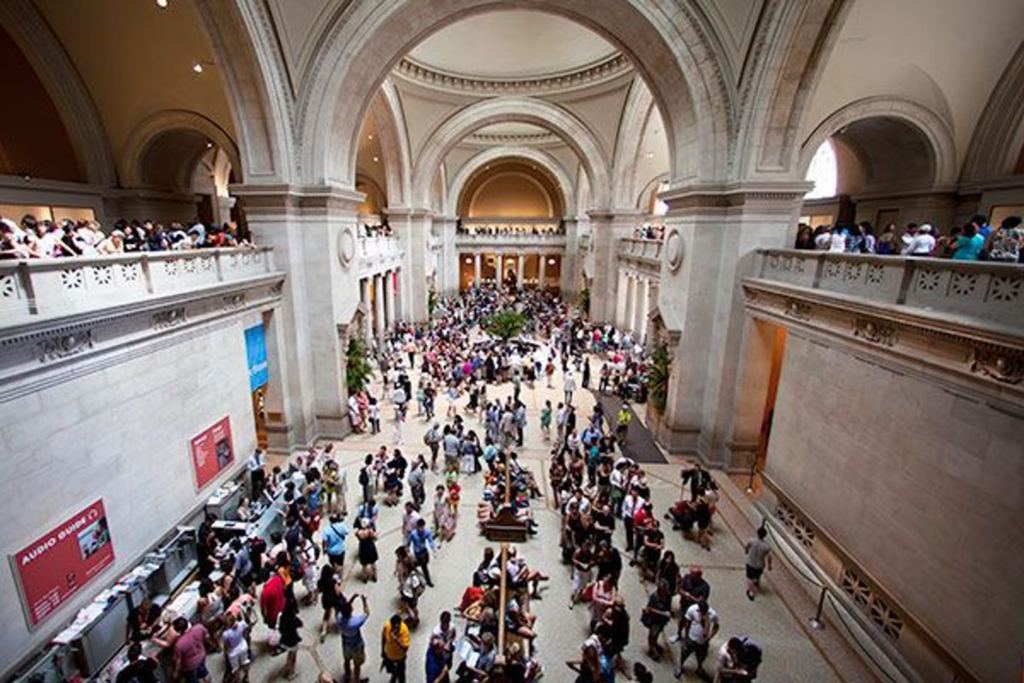
Museum visitors have to balance physical exhaustion/mental burnout with fulfilling their visitation goals
You get exhausted and burnt out in an hour or 90 minutes so it’s never enough to see everything, so you sort of need to know what you’re doing
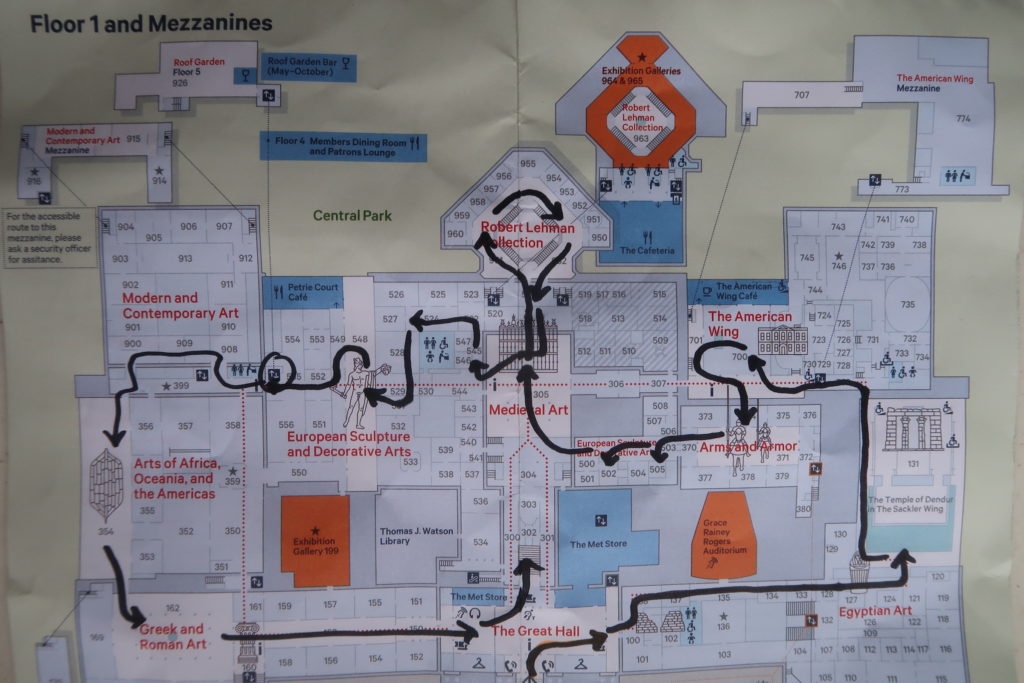
It’s easy to get distracted or turned around
They’ll see something that they didn’t plan on looking at or they didn’t expect to like, And so they’ll wander off course.
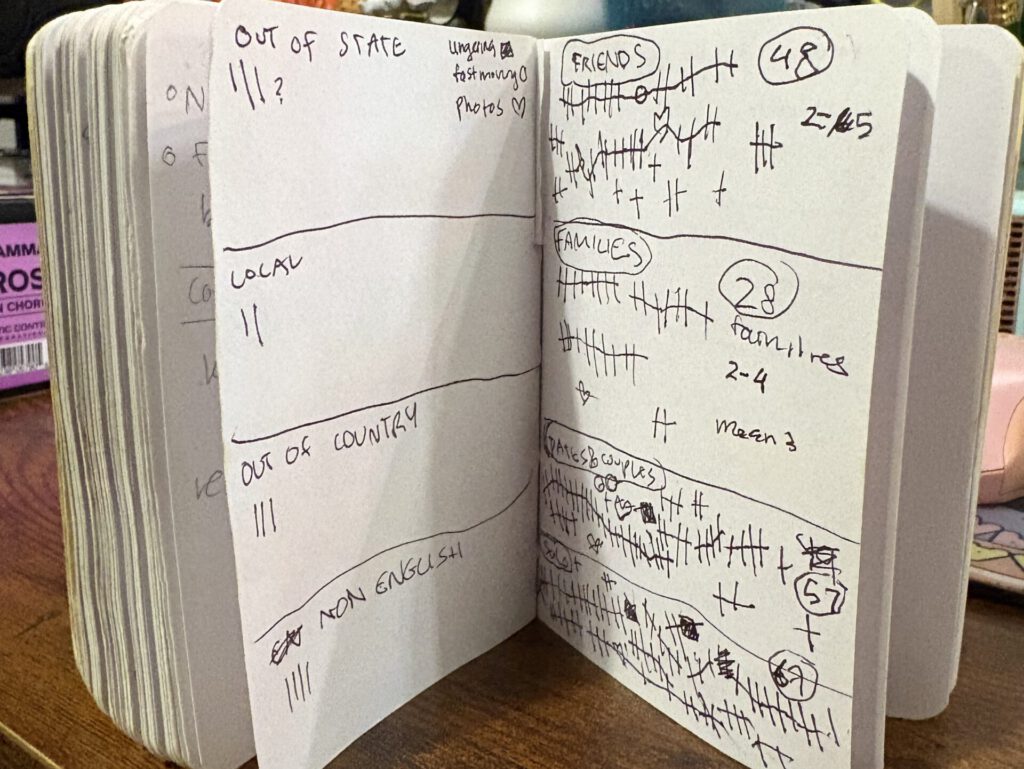
Most people visit in groups which involves unspoken negotiation
I hate having to look at things longer than I have to for someone else to be able to experience a museum at their pace.
My friend is in the city visiting and really wanted to see the superfine exhibit so we split up and i finished early.
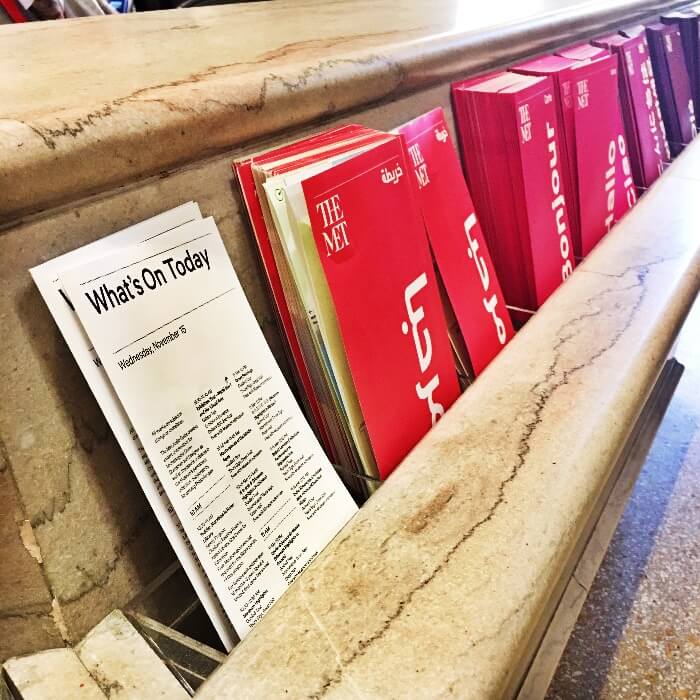
Available tools don’t address fatigue or the unique dynamics of group visits
Audio guides felt the least flexible to me.
I want to talk about what something makes me feel with the person next to me and create actual memories
What I Heard
While my discussion guide was initially designed to investigate the way art and fine art could be presented differently to increase engagement I was surprised to find a lot of common issues with museums have to do with other situational factors.
Instead I found that who you’re with, physical fatigue, how much time you have and how the trip fits into your day is much more predictive of someones enjoyment rather than whether visitors felt “educated”
This led me to a new Problem Statement…
Group visitors need collective way finding and decision making tools because we found museum visitors have to balance physical exhaustion & mental burnout with fulfilling their visitation goals and current tools dont address fatigue or the unique dynamics of group visits
Competitive Analysis
Persona
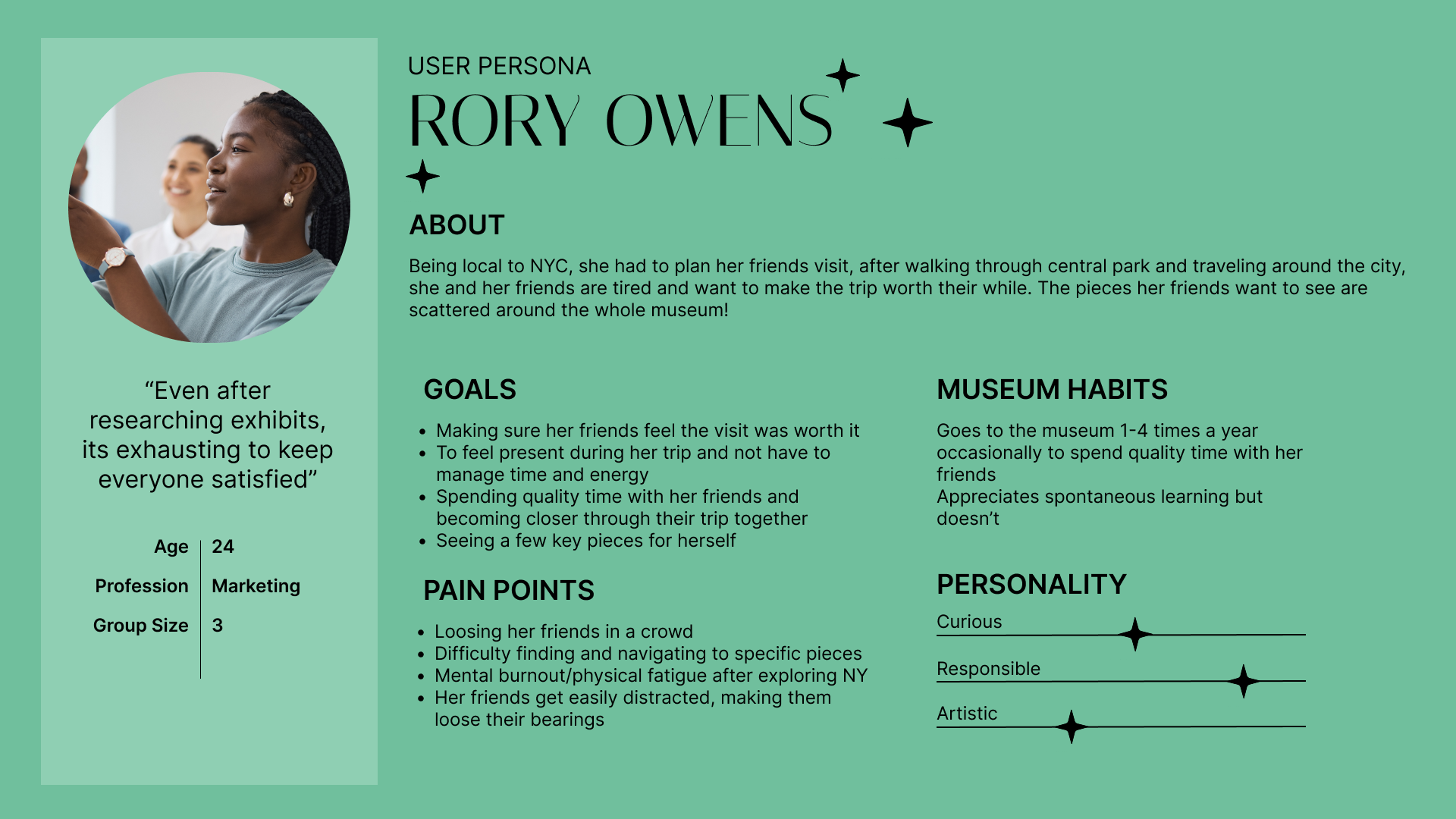
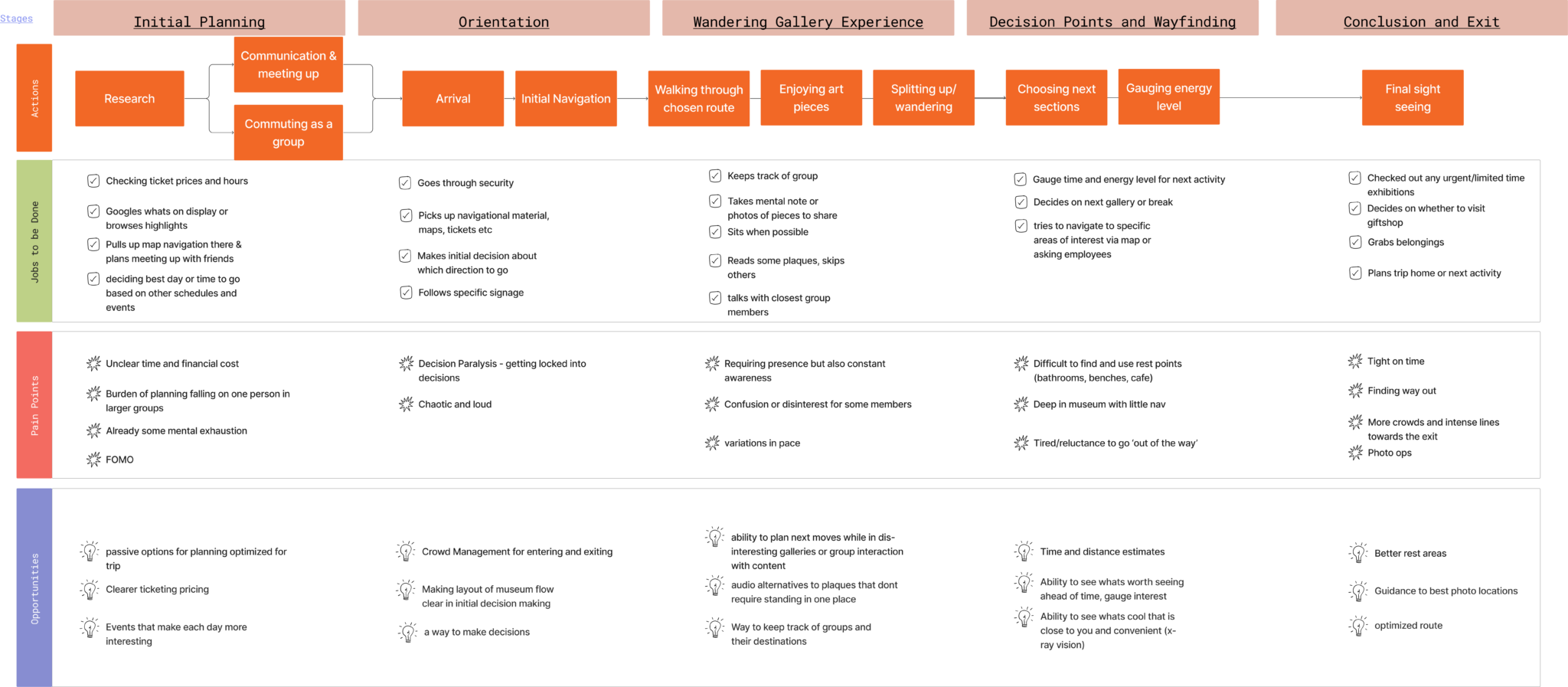
When developing my persona and target audience I identified scenarios where the issues I found in the research phase would be the most intense, while also staying within the constraints of users who I could test most often with.
02 – Design
Ideation
Through iterative testing and prototyping, I generated an initial concept journey map and critical user journeys for existing solutions.
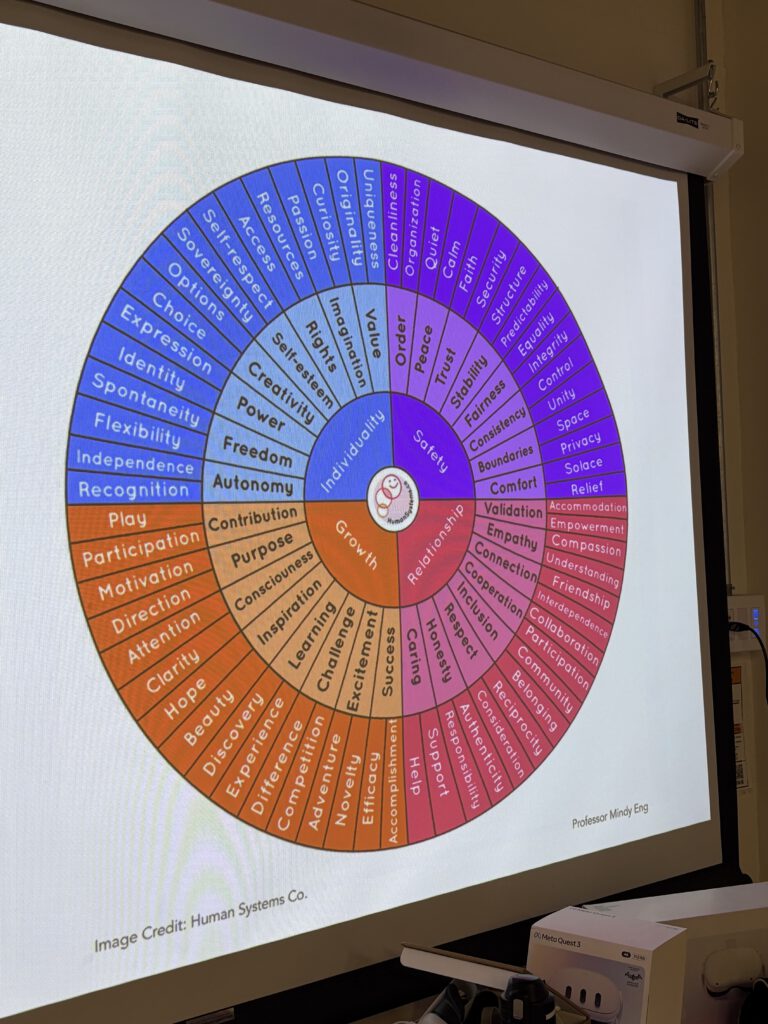
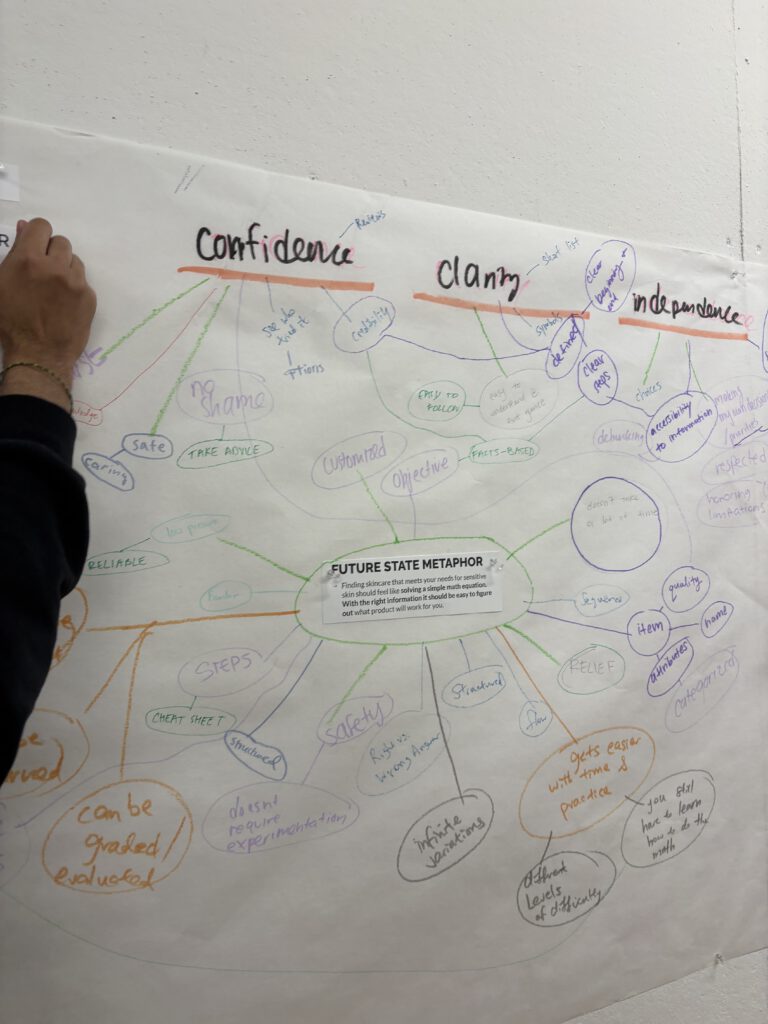
I began by identifying success criteria, establishing our future state metaphor, and target emotions before the brainstorming phase
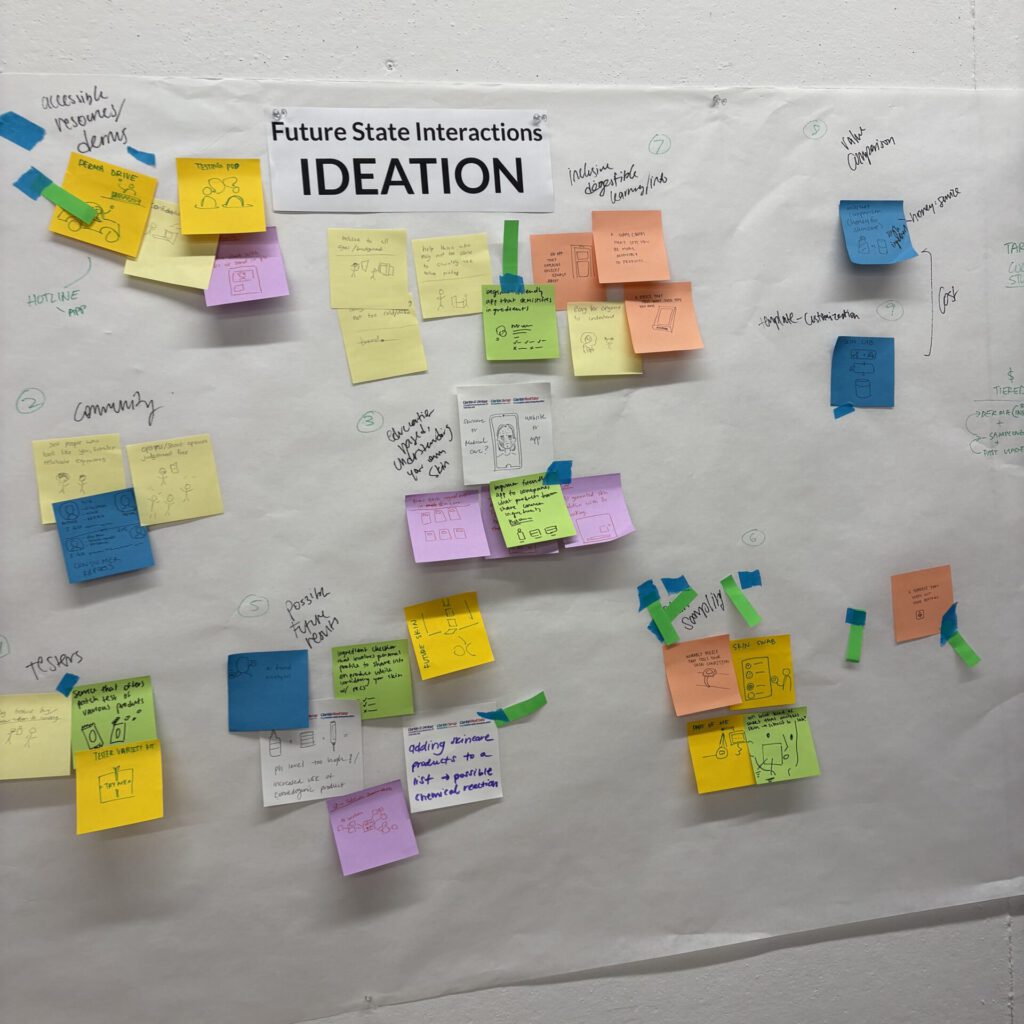
Brainstorming
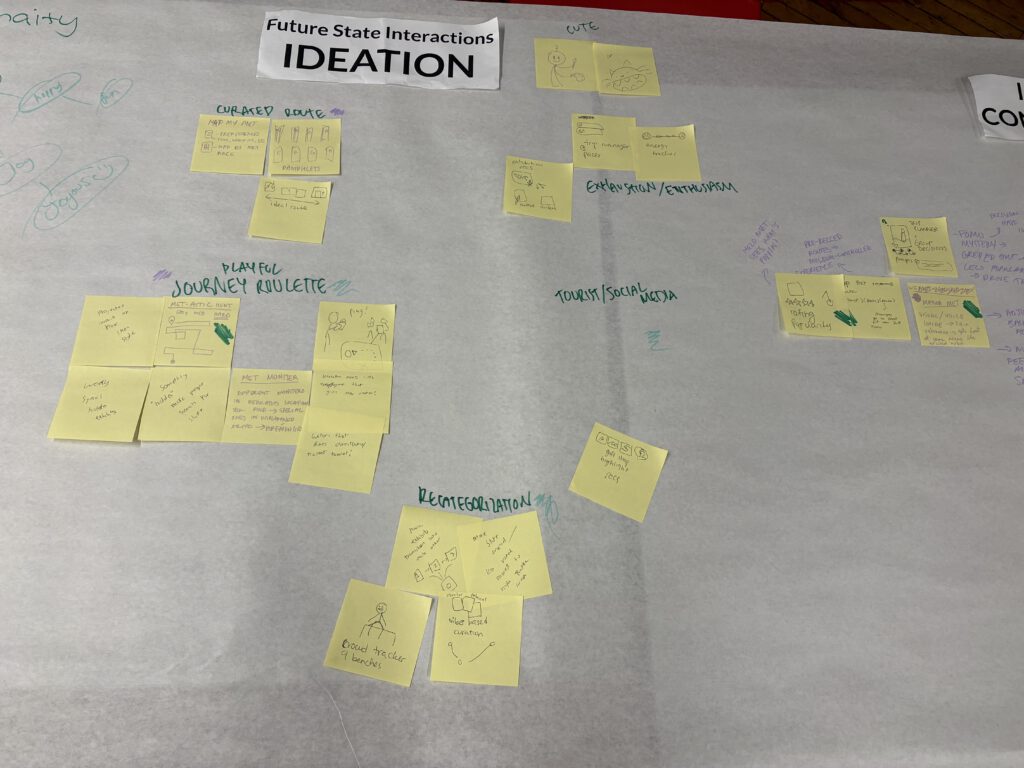
based on my future state metaphor and target emotions with other designers we went through rapid ideation focusing on the emotions of – Empowerment, Efficiency, Spontaneity
Round 1 – Prototype Evaluation
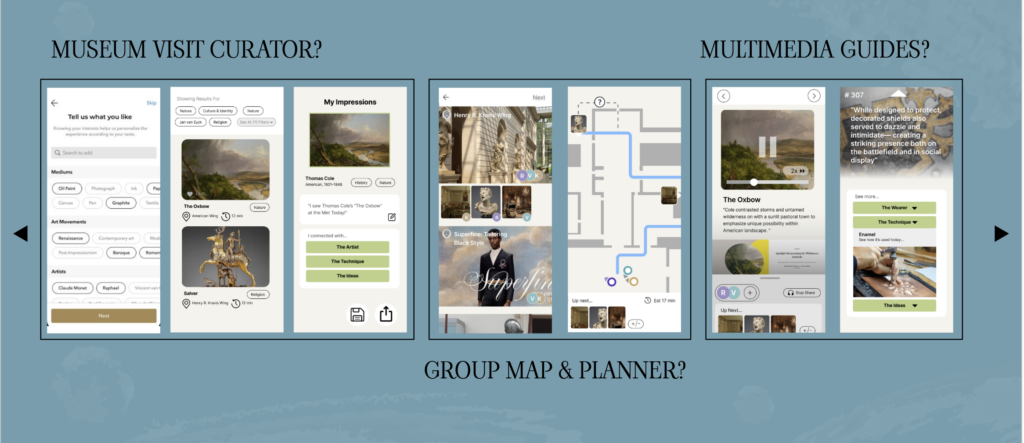
For early testing I created a few mid fidelity prototype screens to explain concepts to my testers, all of which tackled slightly different issues
Success Criteria
People saw what they wanted and found out about new things they wanted to see
Groups feel like nobody is stressed having to be the time keeper or navigator
Collaborative features generate a sense of curiosity about the museums content and the group attending as a whole
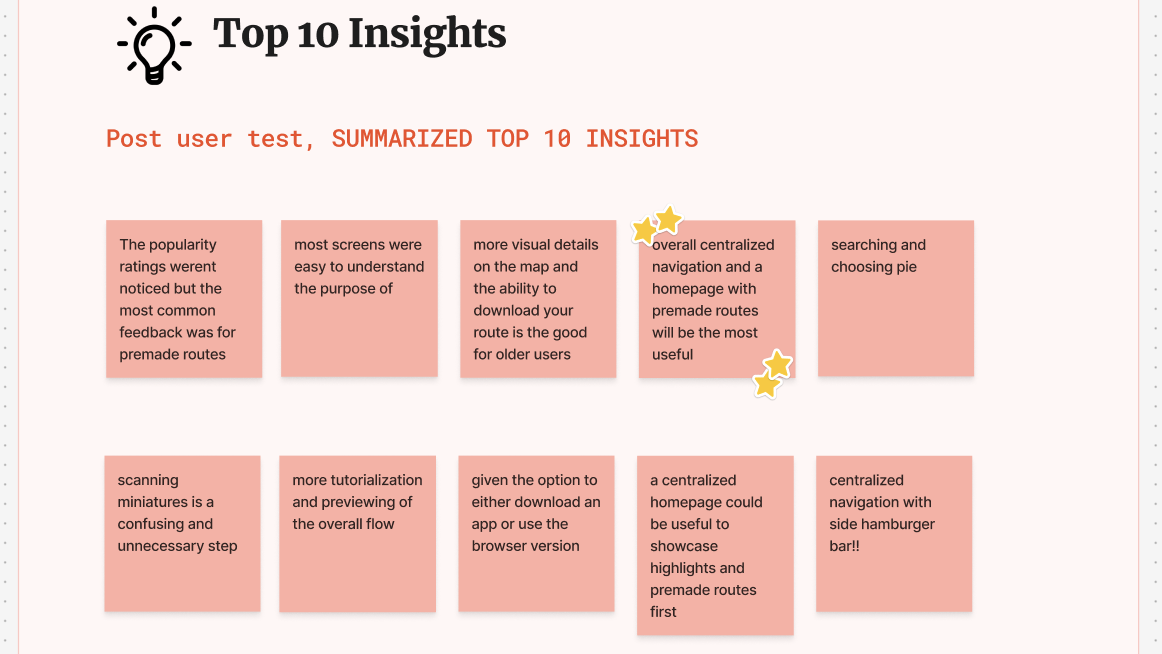
Testing Design
User Testing
Ideation
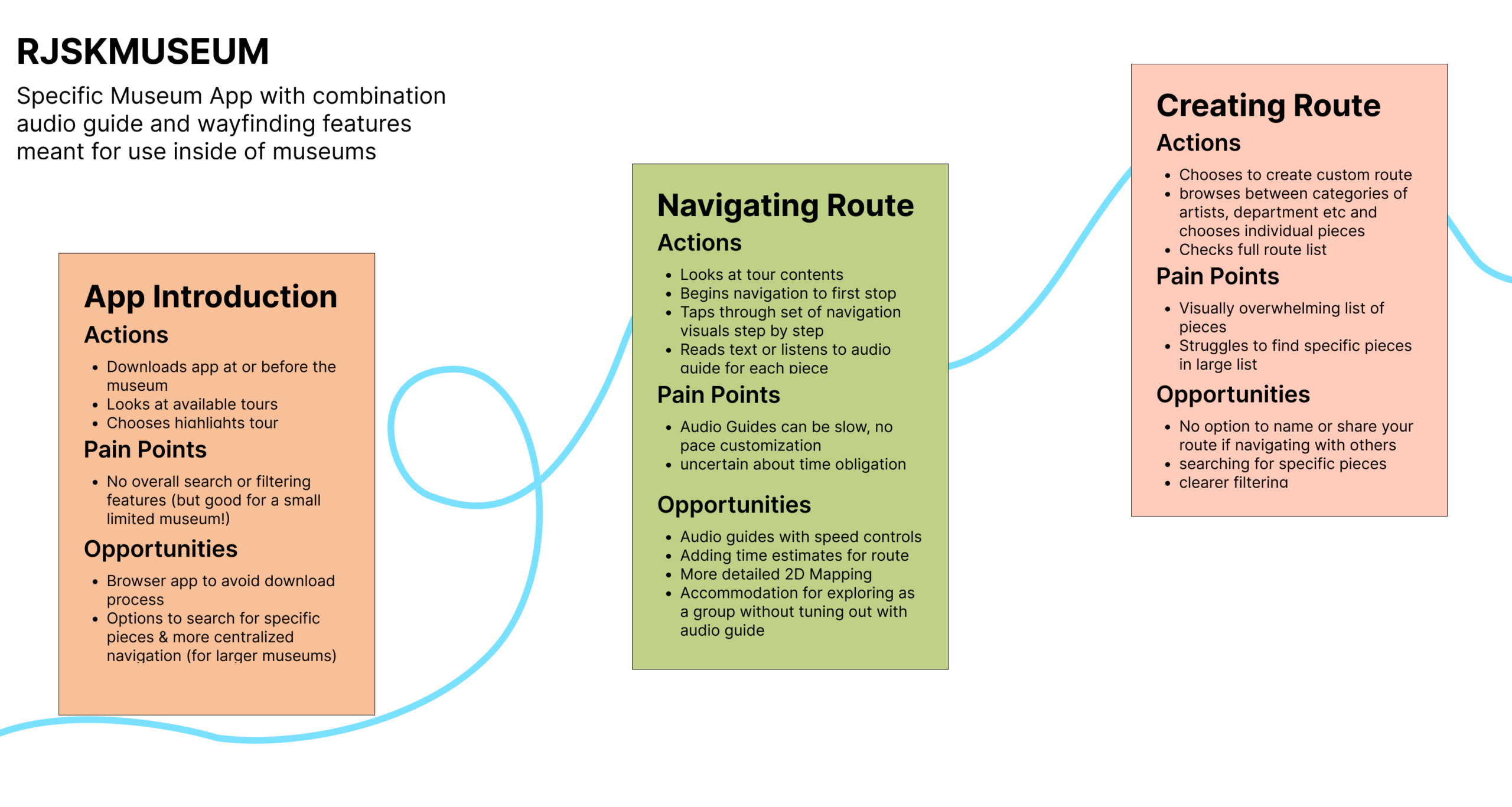
For the most successful current market solution I developed a quick user journey along with a user journey for the Met specifically from the perspective of my persona